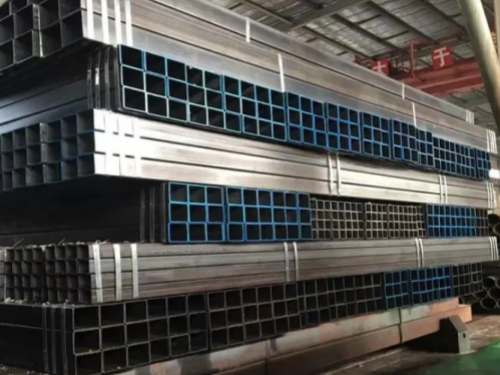
Anti-corrosion steel pipes are widely applied in oil & gas transmission, municipal water systems, district heating networks, and underground infrastructure. The most common coating systems include 3PE coated pipes, TEPE coated pipes, and epoxy resin coated pipes.
To ensure coating durability and worker safety, both process control and occupational health measures must be strictly implemented.
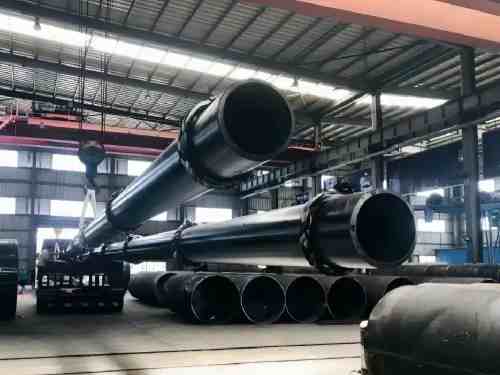
- 3PE Anti-Corrosion Steel Pipe Spraying Process
Standard Production Procedure
Surface Preparation
Shot blasting to Sa2.5 or above
Anchor profile: typically 40–100 μm
FBE (Fusion Bonded Epoxy) Powder Spraying
Steel pipe heating temperature: 210°C–220°C
Electrostatic spraying ensures uniform adhesion
Adhesive + PE Extrusion
Adhesive and polyethylene are extruded
Wrapped and roller-pressed onto the pipe surface
Forms a three-layer structure:
Epoxy (anti-corrosion base layer)
Adhesive (bonding layer)
Polyethylene (mechanical protection layer)
Why Electrostatic Spraying Is Critical
Improves weld seam coverage
Ensures consistent coating thickness
Reduces energy consumption
Enhances long-term adhesion strength
- Epoxy Resin Anti-Corrosion Coating Construction
Epoxy resin and coal tar enamel coatings are widely used for underground pipelines because of:
Strong adhesion
Excellent electrical insulation
Soil stress resistance
Resistance to cathodic disbondment
Long service life
Correct Heating & Application Method
Remove packaging materials
Break coating blocks into small pieces
Heat slowly in a sealed container with mechanical stirring
Avoid direct flame contact
Maintain uniform heating temperature
Improper heating may cause coating degradation, carbonization, or fire hazards.
- Core Safety Precautions During Construction
3.1 Respiratory Protection
Spray mist and VOCs can cause:
Headache
Dizziness
Nausea
Respiratory irritation
Long-term systemic toxicity
Required measures:
Certified respirators or air-supplied masks
Adequate mechanical ventilation
VOC monitoring in enclosed spaces
3.2 Eye Protection
Wear chemical-resistant safety goggles
Prevent splashing during spraying or heating
3.3 Skin & Hand Protection
Use nitrile or neoprene chemical-resistant gloves
Wear protective clothing
Avoid solvent penetration
3.4 Equipment & Fire Safety
Ensure grounding during electrostatic spraying
Maintain safe distance from high-temperature pipes
Regularly inspect heating systems
Implement fire prevention protocols
FAQ
Q1: What are the main safety risks during anti-corrosion steel pipe construction?
Answer:
The primary risks include inhalation of paint mist and VOCs, high-temperature burns, electrostatic ignition hazards, chemical skin exposure, and fire risks from heating equipment.
Q2: Why is respiratory protection mandatory during coating spraying?
Answer:
Spray mist contains fine epoxy or solvent particles that can penetrate deep into the lungs. Long-term exposure may cause respiratory system damage and systemic toxicity. Certified respirators and ventilation systems are essential.
Q3: What temperature is required for 3PE coating application?
Answer:
The steel pipe is typically heated to 210°C–220°C before electrostatic epoxy powder spraying to ensure proper melting and bonding.
Q4: How can weld seam coating thickness be ensured?
Answer:
Electrostatic spraying improves coating uniformity and prevents thin-film defects at spiral or longitudinal weld seams.
Q5: What PPE is required during epoxy resin coating construction?
Answer:
Respirator or air-supply mask
Chemical-resistant gloves
Safety goggles
Protective clothing
Heat-resistant equipment where necessary
Q6: What is the purpose of the adhesive layer in 3PE coated pipes?
Answer:
The adhesive layer bonds the epoxy primer to the polyethylene outer layer, ensuring mechanical strength and preventing delamination.

 English
 Español