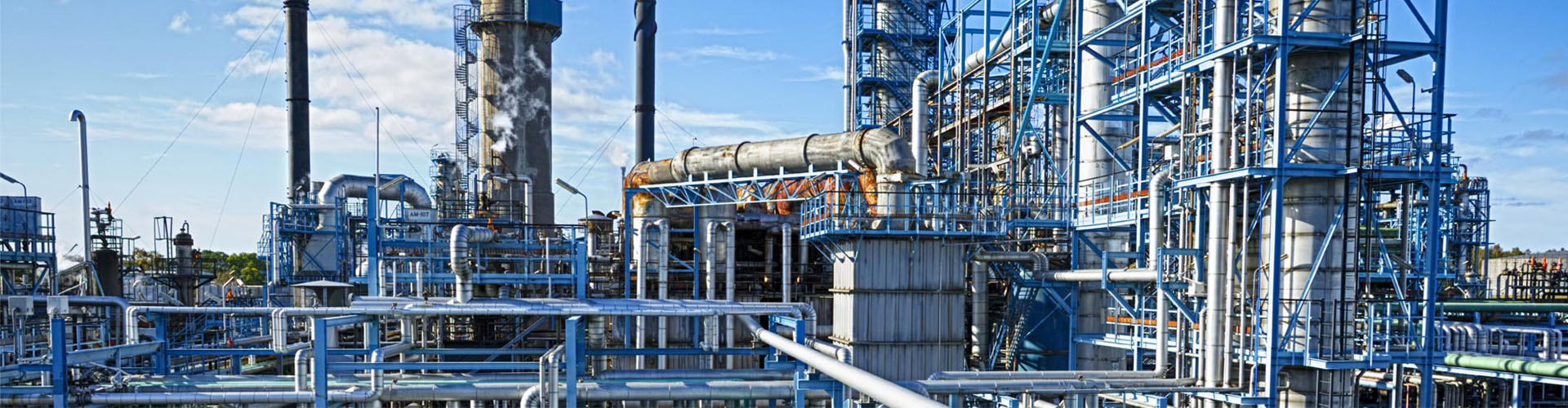
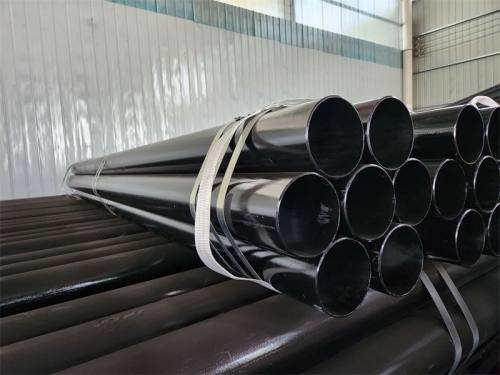
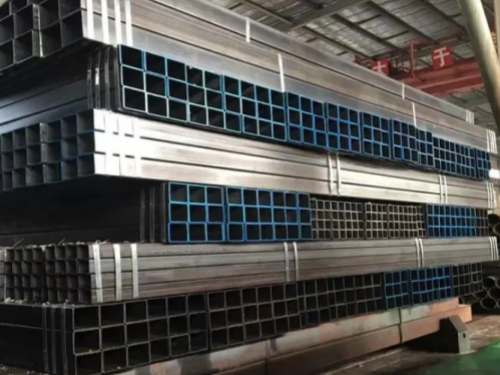
20G seamless steel pipe is a carbon steel boiler tube manufactured in accordance with the Chinese national standard GB/T 5310 (latest version: GB/T 5310-2023, Seamless Steel Tubes for High-Pressure Boilers). It is specifically designed for high-temperature and high-pressure service conditions and is one of the most widely used carbon steel grades in power plant boilers, industrial boilers, and high-pressure pipeline systems.
In the designation “20G”:
“20” indicates a nominal carbon content of approximately 0.20%.
“G” denotes boiler steel.
Compared with ordinary 20# seamless steel pipe (such as those produced under ASTM A106 Grade B), 20G has significantly stricter requirements in terms of chemical composition control, smelting quality, heat treatment, and high-temperature performance.
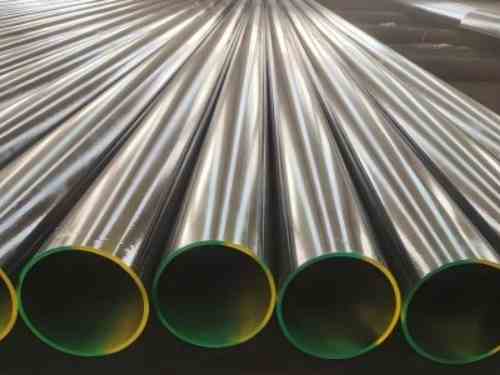
Key Differences Between 20G and Ordinary 20# Steel Pipe
Chemical Composition Control
20G imposes tighter limits on residual elements such as Cr, Ni, Cu, and Mo, ensuring higher metallurgical purity and stability for pressure-bearing applications.
Mechanical Performance Requirements
20G must pass mandatory mechanical property tests, including tensile testing, bending tests, and impact testing. Ordinary 20# pipe does not require the same level of high-temperature performance verification.
Service Orientation
20G is engineered specifically for boiler pressure components, whereas 20# pipe is generally used for structural or general-purpose piping.
Because of these differences, 20G and 20# seamless steel pipes are not interchangeable in pressure vessel or boiler systems.
Advantages of 20G Seamless Boiler Tubes
- High-Temperature Strength and Microstructural Stability
20G maintains stable mechanical performance within a typical service range of 350–480°C. It provides adequate high-temperature yield strength and creep resistance up to approximately 450–500°C.
After normalizing, the steel forms a fine-grained ferrite–pearlite structure. This refined microstructure improves long-term thermal stability and reduces performance degradation during prolonged exposure to elevated temperatures.
- High Cost-Effectiveness
As a carbon steel grade, 20G is significantly more economical than alloy boiler steels such as 15CrMoG or stainless steels.
For operating temperatures below 450°C, 20G delivers:
Adequate strength
Reliable creep resistance
Lower raw material cost
Reduced total life-cycle cost
This makes it one of the most cost-effective materials for medium- and low-temperature boiler components.
- Strong Process Adaptability
Good weldability
Carbon content is controlled below approximately 0.24%, reducing weld crack sensitivity and facilitating on-site fabrication.
Excellent cold bending performance
Suitable for complex forming operations such as boiler coils, U-bends, and serpentine tubes.
Complete size range
Covers small diameters to large diameters, meeting diverse engineering requirements.
Mechanical Properties of 20G Seamless Steel Pipe
Typical mechanical performance (room temperature):
Yield strength ≥ 245 MPa
Tensile strength: 410–550 MPa
Elongation ≥ 24%
Under elevated temperatures (approximately 350–480°C), the material maintains stable mechanical behavior and resists the combined effects of steam pressure and thermal cycling.
Heat Treatment Requirements of 20G Seamless Steel Pipe
20G seamless steel pipes must undergo normalizing heat treatment at approximately 880–940°C.
The purpose of normalizing is to:
Refine grain size
Homogenize microstructure
Improve strength and toughness balance
Enhance high-temperature stability
This heat treatment step is mandatory for compliance with GB/T 5310.
Chemical Composition and Quality Control of 20G Seamless Steel Pipe
In addition to carbon (~0.20%), 20G contains controlled amounts of:
Manganese (Mn): approximately 0.35–0.65%
Silicon (Si): approximately 0.17–0.37%
These elements improve strength, toughness, and resistance to high-temperature oxidation.
Production quality control typically includes:
Chemical composition analysis
Tensile and impact testing
Bending tests
Non-destructive testing (such as ultrasonic testing)
Ultrasonic testing is commonly used to detect internal defects such as cracks or inclusions, ensuring suitability for high-pressure boiler service.
Important Temperature Limits of 20G Seamless Steel Pipe
Long-term operation above approximately 450°C may lead to graphitization, where carbides decompose into graphite. This phenomenon can significantly reduce strength and pressure-bearing capacity.
For heat-receiving surface tubes, the recommended maximum long-term service temperature is generally controlled below 450°C.
Applications of 20G Seamless Steel Pipe
- Power Plant Boilers
Low-temperature superheaters
Low-temperature reheaters
Petrochemical Industry
High-temperature pipelines
Heat exchanger tubes
Reactor piping in non-corrosive media environments
General Industrial Use
High-pressure gas transmission pipelines
Industrial boiler systems
Pressure vessel connection pipelines
- Machinery Manufacturing
Oil drilling components
Drive shafts
Bearing rings
Structural supports and heavy-duty mechanical parts
Specifications and Manufacturing Range of 20G Seamless Steel Pipe
20G seamless pipes are typically divided into hot-rolled and cold-drawn types.
Hot-rolled pipes
Outer diameter: approximately 22–530 mm
Wall thickness: typically heavy-wall configurations
Common sizes: 159×6 mm, 219×10 mm, 273×12 mm
Cold-drawn pipes
Outer diameter: approximately 10–108 mm
Wall thickness: 2.0–13.0 mm
Common sizes: 32×4 mm, 38×4.5 mm, 51×5 mm, 57×5 mm
Theoretical Weight Formula
The theoretical weight per meter can be calculated using:
(Outer Diameter − Wall Thickness) × Wall Thickness × 0.02466 = kg/m
This formula is widely used for quick engineering estimation.
Difference Between 20G and 20# Seamless Steel Pipe
Although both have similar nominal carbon content, their application positioning differs significantly.
20G:
Designed for high-pressure boiler systems
Mandatory physical performance testing
Strict residual element control
Normalizing heat treatment required
20#:
General structural or fluid transmission use
Less stringent high-temperature requirements
In boiler and pressure vessel systems, substitution without engineering verification is not permitted.
Summary
20G seamless steel pipe, manufactured under GB/T 5310, is a high-pressure boiler carbon steel grade characterized by controlled composition, mandatory normalizing heat treatment, stable high-temperature performance, and strong cost-efficiency below 450°C.
It remains one of the most widely specified materials for medium-temperature boiler components and high-pressure pipeline systems in power generation and industrial applications.
Frequently Asked Questions
- What standard is 20G seamless steel pipe produced under?
20G seamless steel pipe is produced according to GB/T 5310, which specifies technical requirements for high-pressure boiler tubes.
- What is the maximum recommended operating temperature for 20G pipe?
For long-term service, the recommended maximum operating temperature is generally below 450°C to prevent graphitization and strength degradation.
- Can 20G replace 20# seamless steel pipe?
No. Although both have similar carbon content, 20G has stricter mechanical property, heat treatment, and quality control requirements. They are not interchangeable in boiler or pressure vessel systems.
- What heat treatment is required for 20G seamless steel pipe?
20G must undergo normalizing heat treatment (approximately 880–940°C) to refine grains and ensure stable mechanical properties.
- What industries commonly use 20G seamless steel pipe?
20G is widely used in power plant boilers, industrial boiler systems, high-pressure steam pipelines, and non-corrosive petrochemical process piping.

 English
 Español