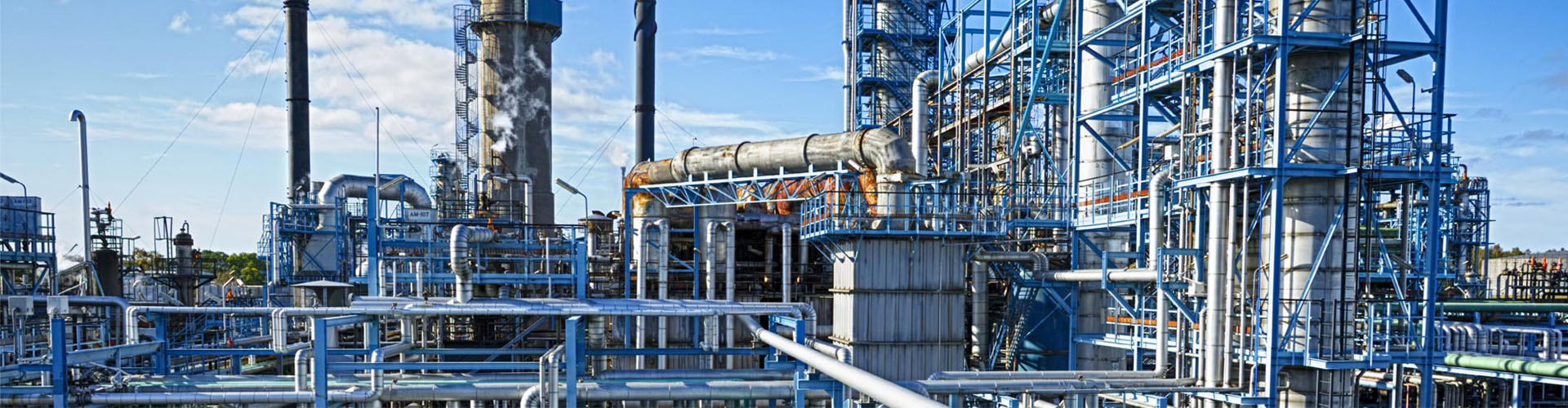
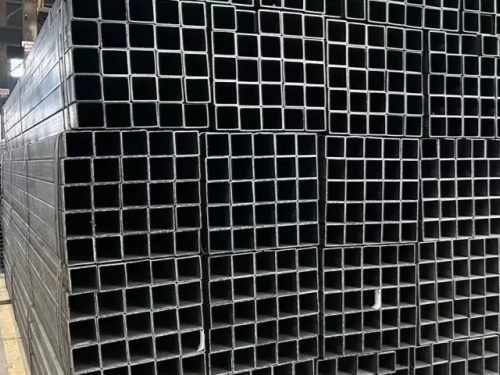
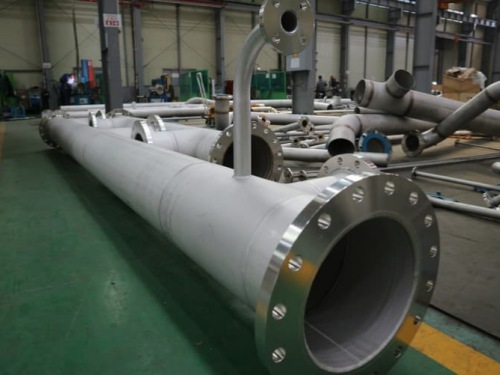
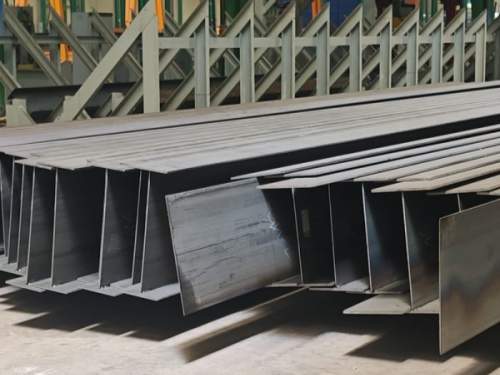
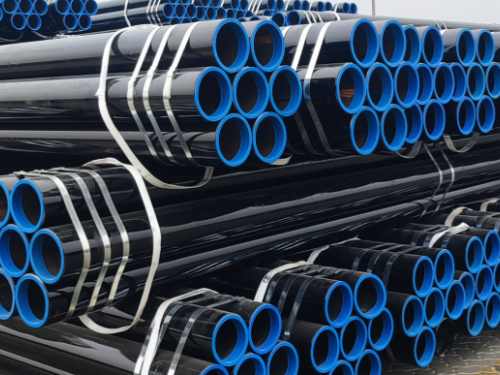
ASTM A36 and ASTM A516 are two widely used carbon steel plate materials in industrial manufacturing, but they are designed for completely different service conditions.
ASTM A36 is primarily used as a structural carbon steel, valued for its weldability, formability, and cost-effectiveness in general construction and fabrication. In contrast, ASTM A516 is a pressure vessel quality steel plate developed for boilers, pressure vessels, and medium- to low-temperature service environments where toughness and safety are critical.
Understanding the differences between A36 and A516 steel plate is essential for selecting the correct material for structural integrity, pressure resistance, and long-term operational reliability.
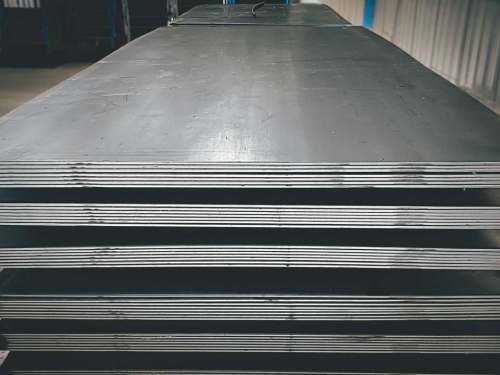
Quick Answer
ASTM A36: General-purpose structural steel for buildings, frames, supports, and fabrication
ASTM A516: Pressure vessel steel designed for boilers, tanks, and pressure-containing equipment
A36 focuses on economical structural performance, while A516 emphasizes strength, notch toughness, and pressure service safety.
Overview of ASTM A36 Steel Plate
What Is ASTM A36 Steel?
ASTM A36 is one of the most commonly used low-carbon structural steels. It offers:
Good weldability
Excellent machinability
Reliable ductility
Cost-efficient fabrication
Because of its balanced mechanical properties, A36 is widely used in:
Structural steel frameworks
Bridges
Equipment supports
Machinery bases
General fabrication projects
A36 is mainly intended for non-pressure structural applications operating under normal environmental conditions.
Overview of ASTM A516 Steel Plate
What Is ASTM A516 Steel?
ASTM A516 is a carbon steel plate specifically manufactured for pressure vessel and boiler service.
The most common grade is ASTM A516 Grade 70, which provides an excellent balance of:
Tensile strength
Impact toughness
Weldability
Resistance to brittle fracture
A516 steel is commonly used in:
Boilers
Pressure vessels
Heat exchangers
Storage tanks
Oil & gas processing equipment
Compared with ordinary structural steel, A516 undergoes stricter quality control and often requires impact testing for low-temperature service.
Main Differences Between ASTM A36 and ASTM A516 Steel Plate
-
Different Applications
ASTM A36
Designed for general structural and fabrication purposes.
Typical applications include:
Building structures
Steel frames
Support columns
Machinery manufacturing
ASTM A516
Designed specifically for pressure-retaining equipment.
Typical applications include:
Boilers
Pressure vessels
Industrial storage tanks
Refinery equipment
-
Mechanical Property Differences
ASTM A516 Grade 70 generally provides higher strength and better toughness than ASTM A36.
|
Property
|
ASTM A36 Steel Plate
|
ASTM A516 Grade 70
|
|
Minimum Yield Strength
|
250 MPa (36 ksi)
|
260 MPa (38 ksi)
|
|
Tensile Strength
|
400–550 MPa
|
485–620 MPa
|
|
Impact Toughness
|
Not specified
|
Excellent
|
|
Impact Testing
|
Usually not required
|
Frequently required
|
Because of its improved mechanical properties, A516 performs better in demanding industrial environments.
-
Impact Toughness and Low-Temperature Performance
One of the biggest differences is notch toughness.
ASTM A36
No guaranteed low-temperature impact toughness
Higher risk of brittle fracture under cold conditions
ASTM A516
Designed for improved toughness
Better resistance to crack propagation and brittle failure
Suitable for medium- and low-temperature pressure service
This makes A516 a preferred material for safety-critical equipment.
-
Operating Environment Differences
|
Environment
|
Recommended Material
|
|
General structural applications
|
ASTM A36
|
|
Pressure-bearing equipment
|
ASTM A516
|
|
Low-temperature service
|
ASTM A516
|
|
Safety-critical industrial systems
|
ASTM A516
|
|
Cost-sensitive fabrication
|
ASTM A36
|
-
Standards and Inspection Requirements
ASTM A36
Follows standard structural steel specifications with relatively simple inspection requirements.
ASTM A516
Requires stricter manufacturing control, including:
Enhanced chemical composition control
Mechanical testing
Ultrasonic testing (optional)
Charpy impact testing for low-temperature service
Because pressure vessel safety is critical, A516 production standards are significantly more demanding.
Which Steel Plate Should You Choose?
Choose ASTM A36 If:
The project is structural rather than pressure-related
Cost efficiency is a priority
The operating environment is non-critical
Standard weldability and fabrication are required
Choose ASTM A516 If:
The equipment operates under pressure
Low-temperature toughness is important
Safety and reliability are critical
The application involves boilers or pressure vessels
Important Note for Pipeline Manufacturing
Although both A36 and A516 are widely used industrial steel plates, neither is typically the primary material for long-distance pipeline systems.
For pipeline manufacturing, API 5L steel plates are generally preferred because they are specifically engineered for:
Pipeline strength requirements
Weldability
Fracture toughness
Long-distance oil & gas transportation
FAQ
- Is ASTM A516 stronger than ASTM A36?
Yes. A516 Grade 70 generally offers higher tensile strength and better toughness.
- Can ASTM A36 be used for pressure vessels?
It is not recommended for critical pressure vessel applications because it lacks guaranteed impact toughness.
- Why is ASTM A516 commonly used in boilers?
Because it provides better pressure resistance and improved resistance to brittle fracture under temperature fluctuations.
- Which material is more economical?
ASTM A36 is generally more cost-effective for standard structural applications.
Conclusion
ASTM A36 and ASTM A516 steel plates serve different engineering purposes.
ASTM A36 is an economical and versatile structural steel widely used in construction and fabrication.
ASTM A516 is a high-performance pressure vessel steel developed for demanding industrial environments requiring superior toughness and reliability.
Selecting the correct material is not simply a cost decision—it directly affects operational safety, equipment lifespan, and long-term project performance.

 English
 Español