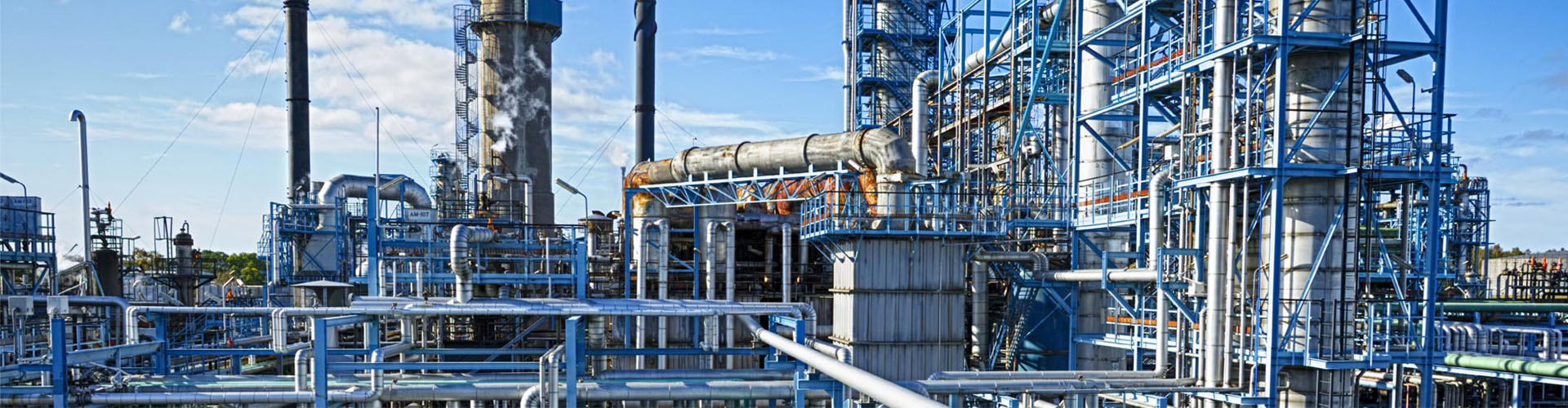
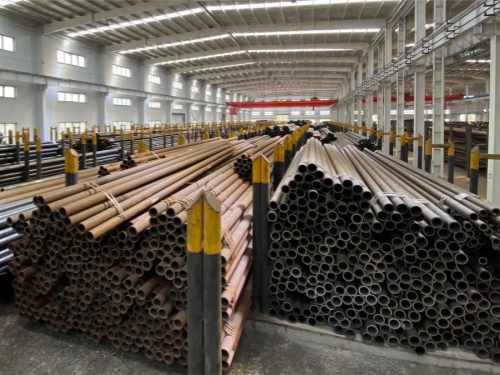
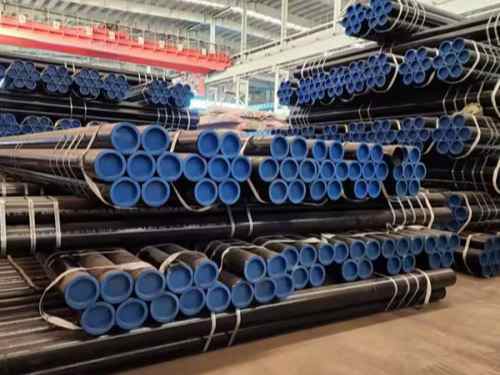
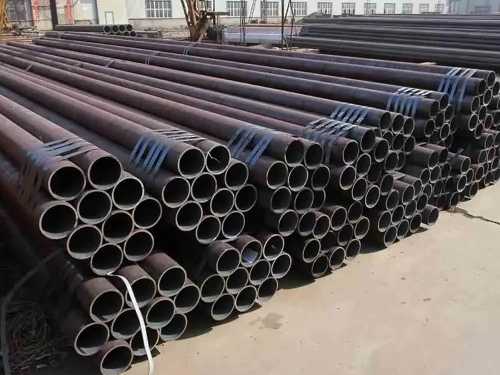
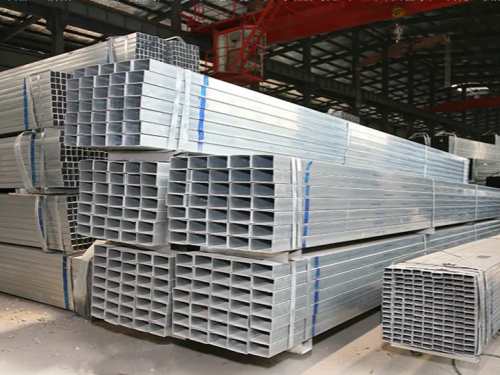
In industries such as oil & gas, petrochemical, power generation, and construction, piping systems and spools play a critical role in ensuring safe and stable operations. The quality of these products directly affects project safety, installation efficiency, and long-term maintenance costs.
Choosing a reliable piping system and spool supplier is not only about product quality — it is also about reducing engineering risks, ensuring delivery schedules, and improving overall project performance. For EPC contractors and project managers, supplier selection has become an important part of project success.
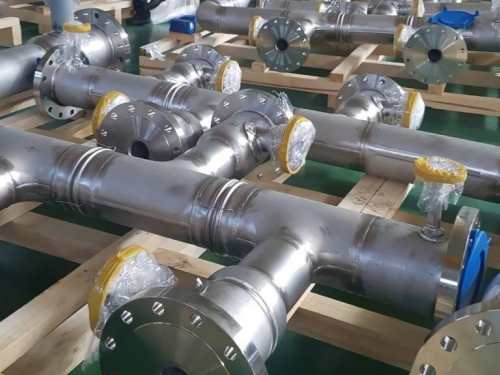
Why Supplier Selection Matters
A professional supplier can provide:
Stable product quality
Accurate fabrication
Complete traceability documentation
Compliance with international standards
Reliable delivery schedules
Poor-quality suppliers may cause installation delays, welding defects, dimensional errors, and expensive rework during construction.
-
Check Engineering Standards and Certifications
Reliable suppliers should comply with internationally recognized standards and certifications.
Common standards include:
|
Category
|
Standard
|
Purpose
|
|
Quality System
|
ISO 9001
|
Quality management
|
|
Oil & Gas
|
API Q1
|
Industry quality system
|
|
Welding
|
ASME IX
|
Welding qualification
|
|
Material
|
ASTM / API 5L
|
Material compliance
|
|
Safety
|
ISO 45001
|
Workplace safety
|
Suppliers with these certifications are usually more capable of meeting project and inspection requirements.
-
Evaluate Fabrication Capability
Fabrication capability is one of the most important factors when selecting a piping spool supplier.
Key points include:
Qualified welders and approved WPS/PQR
Precise dimensional control
Advanced welding equipment
Stable production capacity
Experience with customized spool fabrication
Even small dimensional deviations can create installation problems on site, leading to costly delays and modifications.
-
Verify Quality Control and Traceability
A reliable supplier should implement strict quality inspection throughout production.
Important inspection processes include:
NDT testing (RT, UT, PT)
Hydrostatic pressure testing
Material Test Certificates (MTC)
Heat number traceability
Final dimensional inspection
Complete traceability helps ensure every component can be verified from raw material to final delivery.
-
Review Industry Experience and Project References
Suppliers with experience in similar industries are often more reliable.
For example:
Offshore projects require experience with marine environments
Chemical plants require corrosion-resistant piping systems
Power plants require high-temperature and high-pressure fabrication capability
Requesting project references or export records can help evaluate the supplier’s real engineering experience.
-
Engineering Support and Documentation
Strong suppliers usually provide technical support before production begins.
This may include:
Drawing review
Fabrication optimization
Material recommendations
Packaging and shipping solutions
Before shipment, suppliers should also provide complete documentation, including:
MTC certificates
Welding records
NDT reports
Inspection reports
Complete documentation helps simplify project acceptance and site installation.
-
Balance Cost and Long-Term Risk
Low prices do not always mean lower project costs.
Poor-quality suppliers may reduce material quality, coating standards, or welding requirements, which can increase:
Maintenance costs
Installation risks
Downtime losses
Safety problems
For large EPC projects, evaluating Total Cost of Ownership (TCO) is more important than only comparing unit prices.
FAQ
- What is a piping spool?
A piping spool is a prefabricated section of piping assembled before site installation.
- Why is spool prefabrication important?
It improves installation efficiency and reduces on-site construction time.
- Which standards are important for piping suppliers?
Common standards include ASME, ASTM, API, and ISO certifications.
- How can buyers verify supplier quality?
By checking certifications, inspection reports, traceability records, and project references.
Conclusion
A reliable piping system and spool supplier should provide strong fabrication capability, strict quality control, complete documentation, and compliance with international standards.
For modern EPC projects, choosing the right supplier helps reduce engineering risks, improve installation efficiency, and ensure long-term operational reliability.

 English
 Español