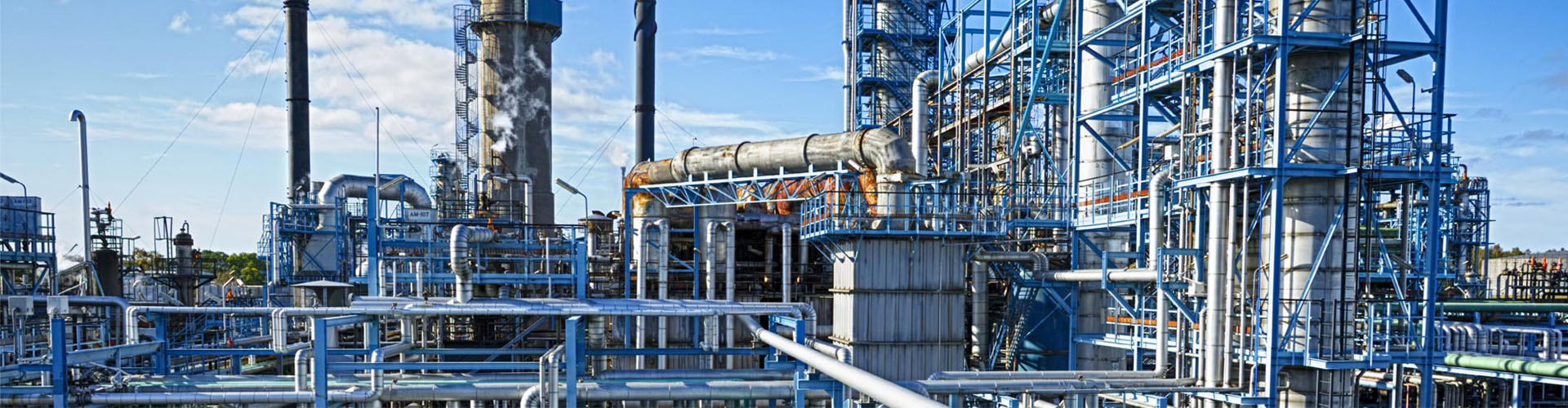
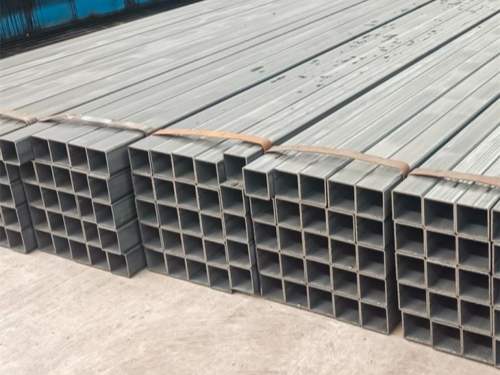
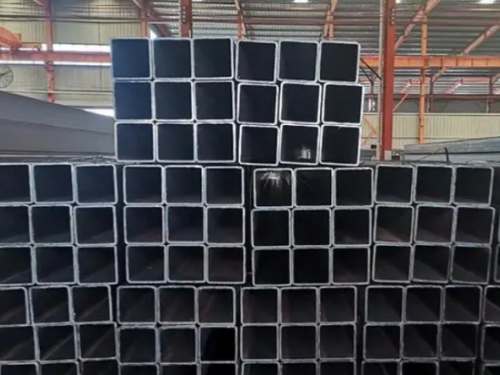
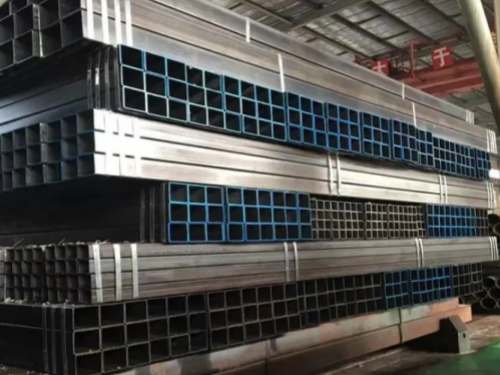
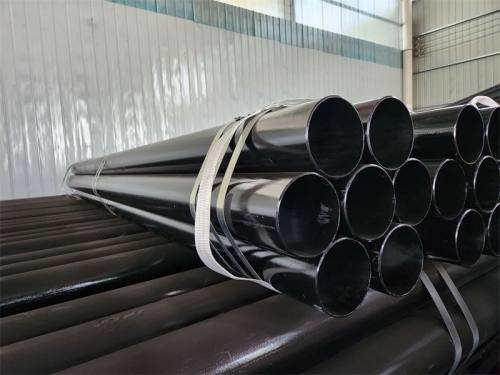
ASTM A106 carbon steel pipe is one of the most widely used seamless carbon steel pipes for high-temperature and high-pressure service. Designed for demanding industrial environments, it is commonly used in power plants, refineries, petrochemical facilities, boilers, and oil & gas transmission systems where strength, pressure resistance, and long-term reliability are critical.
Unlike welded pipes, ASTM A106 seamless pipes are manufactured without a longitudinal weld seam, providing a more uniform structure and improved resistance to internal pressure and thermal stress.
What Is ASTM A106 Carbon Steel Pipe?
ASTM A106 is the standard specification for seamless carbon steel pipe intended for high-temperature applications. The standard covers pipes suitable for bending, flanging, welding, and other forming operations.
Key Features
Seamless construction without weld seams
Excellent high-temperature performance
High pressure resistance
Good weldability and machinability
Suitable for steam, oil, gas, and process fluid transportation
Available in multiple grades for different strength requirements
ASTM A106 Pipe Grades
ASTM A106 includes three material grades: Grade A, Grade B, and Grade C. Each grade offers different mechanical strength and chemical composition.
Among them, Grade B is the most commonly specified because it provides an excellent balance between strength, weldability, and cost.
Chemical Composition of ASTM A106 Carbon Steel Pipe
|
Element
|
Grade A
|
Grade B
|
Grade C
|
|
Carbon (Max)
|
0.25%
|
0.30%
|
0.35%
|
|
Manganese
|
0.27–0.93%
|
0.29–1.06%
|
0.29–1.06%
|
|
Silicon
|
≥0.10%
|
≥0.10%
|
≥0.10%
|
Higher carbon content generally increases strength, while manganese improves toughness and silicon enhances high-temperature performance.
Mechanical Properties of ASTM A106 Carbon Steel Pipe
Mechanical properties determine whether the pipe can safely withstand high operating pressure and elevated temperatures.
|
Property
|
Grade A
|
Grade B
|
Grade C
|
|
Yield Strength
|
30,000 psi (205 MPa)
|
35,000 psi (240 MPa)
|
40,000 psi (275 MPa)
|
|
Tensile Strength
|
48,000 psi (330 MPa)
|
60,000 psi (415 MPa)
|
70,000 psi (485 MPa)
|
|
Typical Application
|
Moderate service
|
General industrial service
|
High-pressure service
|
Grade C provides the highest strength, while Grade B remains the preferred option for most industrial pipeline projects.
ASTM A106 vs ASTM A53
Although ASTM A106 and ASTM A53 are both carbon steel pipe standards, they serve different operating conditions.
|
Item
|
ASTM A106
|
ASTM A53
|
|
Manufacturing
|
Seamless only
|
Seamless or welded
|
|
Service Temperature
|
High temperature
|
Low to moderate temperature
|
|
Pressure Service
|
High pressure
|
General pressure
|
|
Typical Applications
|
Boilers, refineries, power plants
|
Water, gas, structural piping
|
|
Heat Resistance
|
Excellent
|
Moderate
|
For elevated-temperature service, ASTM A106 is generally the preferred choice.
ASTM A106 vs ASTM A105
These two ASTM specifications are often confused but apply to completely different products.
|
Standard
|
Product Type
|
Typical Applications
|
|
ASTM A106
|
Seamless carbon steel pipe
|
Process piping and pressure pipelines
|
|
ASTM A105
|
Forged carbon steel
|
Flanges, fittings, valves, forged components
|
ASTM A105 is not a pipe specification—it covers forged piping components used to connect or terminate piping systems.
Standard Dimensions and Specifications of ASTM A106 Carbon Steel Pipe
ASTM A106 seamless pipes are available in a wide range of sizes suitable for industrial piping systems.
Typical specifications include:
|
Specification
|
Description
|
|
Outside Diameter
|
NPS 1/8"–48"
|
|
Wall Thickness
|
Schedule 10–XXS (ASME B36.10)
|
|
Manufacturing
|
Hot rolled, cold drawn
|
|
Pipe Ends
|
Plain End (PE), Beveled End (BE), Threaded
|
|
Surface Condition
|
Black, varnished, anti-corrosion coated
|
Typical Applications of ASTM A106 Carbon Steel Pipe
ASTM A106 carbon steel pipes are widely used wherever high temperature and pressure are present.
Power Generation
Main steam pipelines
Boiler tubing
Superheater systems
Heat recovery equipment
Oil & Gas Industry
Oil transmission pipelines
Refinery process piping
Offshore production facilities
Natural gas processing
Petrochemical Plants
Chemical process piping
Heat exchangers
Pressure vessels
High-temperature reactors
Industrial Manufacturing
Process equipment
Hydraulic systems
Mechanical engineering
Industrial fluid transportation
Why Choose ASTM A106 Seamless Pipe?
Compared with ordinary carbon steel piping, ASTM A106 offers several important advantages.
Superior pressure resistance
Excellent performance at elevated temperatures
Uniform seamless structure
Reliable mechanical properties
Good weldability and fabrication performance
Long service life under demanding operating conditions
These characteristics make ASTM A106 one of the industry's preferred materials for critical piping systems.
Conclusion
ASTM A106 carbon steel pipe is a proven solution for high-temperature and high-pressure industrial applications. With seamless construction, reliable mechanical properties, and multiple material grades, it provides dependable performance across power generation, petrochemical processing, and oil & gas industries. Understanding the differences between Grade A, Grade B, and Grade C—as well as ASTM A106 versus ASTM A53 and ASTM A105—helps engineers and buyers select the right material for safe and efficient pipeline systems.
FAQ
- What is ASTM A106 carbon steel pipe used for?
ASTM A106 seamless pipe is primarily used in high-temperature and high-pressure applications, including boilers, power plants, oil refineries, petrochemical facilities, and industrial process piping.
- Which ASTM A106 grade is most commonly used?
ASTM A106 Grade B is the most widely used grade because it provides an excellent balance of strength, weldability, and cost for most industrial piping systems.
- What is the difference between ASTM A106 and ASTM A53?
ASTM A106 is designed specifically for high-temperature and pressure service and is manufactured only as seamless pipe, while ASTM A53 is intended mainly for general-purpose piping and is available in both seamless and welded forms.
- Is ASTM A105 the same as ASTM A106?
No. ASTM A106 covers seamless carbon steel pipes, whereas ASTM A105 is the specification for forged carbon steel components such as flanges, valves, and fittings.
- Can ASTM A106 pipes be welded?
Yes. ASTM A106 carbon steel pipes offer good weldability and are suitable for welding, bending, flanging, and other fabrication processes commonly used in industrial piping projects.

 English
 Español