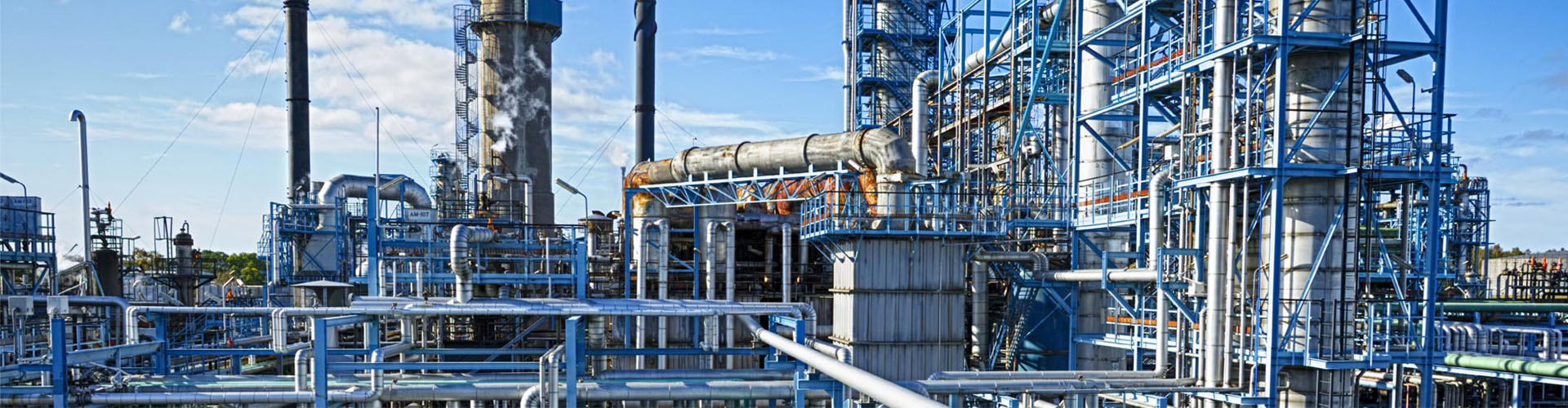
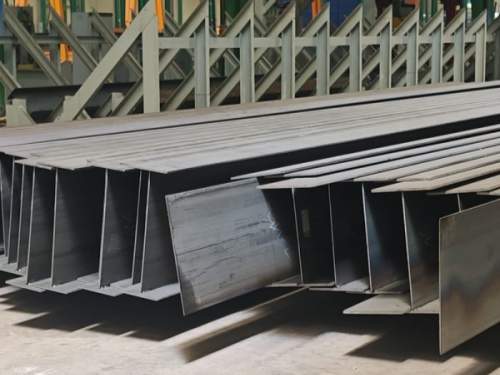
ASTM boiler tubes are specialized steel tubes designed for high-temperature and high-pressure service in boilers, superheaters, heat exchangers, power plants, refineries, and petrochemical facilities.
The ASTM and ASME boiler tube standards define the requirements for:
Material composition
Mechanical properties
Manufacturing processes
Dimensional tolerances
Inspection and testing procedures
Selecting the correct boiler tube grade is critical for ensuring long-term reliability, pressure resistance, and thermal performance.
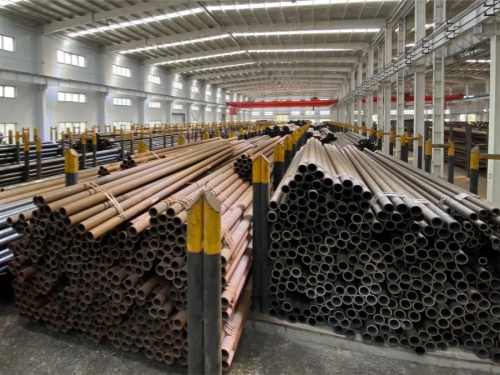
What Is a Boiler Tube?
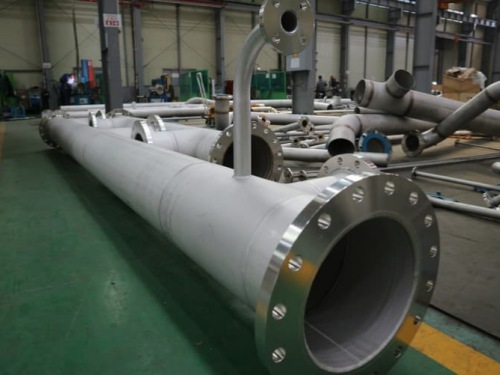
A boiler tube is a seamless or welded steel tube used to transfer heat and transport water, steam, or hot gases within a boiler system. Because operating temperatures and pressures vary significantly, different material grades are required for different service conditions.
ASTM vs ASME Boiler Tube Standards
Understanding the difference between ASTM and ASME specifications is essential.
|
Standard System
|
Purpose
|
|
ASTM
|
Defines material, manufacturing, testing, and quality requirements
|
|
ASME BPVC
|
Defines allowable stress values, design rules, and pressure vessel applications
|
In practice, ASTM specifications are often adopted into the ASME Boiler and Pressure Vessel Code (BPVC) and become ASME SA-series standards.
For example:
ASTM A192 → ASME SA-192
ASTM A210 → ASME SA-210
ASTM A213 → ASME SA-213
Most Common ASTM Boiler Tube Standards
|
Standard
|
Description
|
|
ASTM A178 / SA178
|
ERW carbon steel boiler tubes
|
|
ASTM A179 / SA179
|
Seamless cold-drawn low-carbon heat exchanger tubes
|
|
ASTM A192 / SA192
|
High-pressure seamless carbon steel boiler tubes
|
|
ASTM A209 / SA209
|
Carbon-molybdenum alloy boiler tubes
|
|
ASTM A210 / SA210
|
Medium-carbon seamless boiler tubes
|
|
ASTM A213 / SA213
|
Alloy steel and stainless steel boiler tubes
|
|
ASTM A335 / SA335
|
Ferritic alloy steel pipes for high-temperature service
|
|
ASTM A556 / SA556
|
Feedwater heater tubes
|
ASTM Boiler Tube Grade Comparison
Selecting the proper boiler tube depends primarily on operating temperature, pressure, and corrosion requirements.
|
Grade
|
Temperature Capability
|
Pressure Capability
|
Typical Applications
|
|
ASTM A179
|
Low
|
Medium
|
Condensers, heat exchangers
|
|
ASTM A192
|
High
|
High
|
High-pressure boilers
|
|
ASTM A210
|
Medium-High
|
High
|
Superheaters, boiler systems
|
|
ASTM A213 T11
|
High
|
High
|
Power plants, heat exchangers
|
|
ASTM A213 T22
|
Very High
|
High
|
Boilers, refineries
|
|
ASTM A213 T91
|
Extreme
|
Very High
|
Supercritical power plants
|
|
ASTM A213 T92
|
Ultra-High
|
Very High
|
Ultra-supercritical units
|
Detailed Breakdown of ASTM Boiler Tube Grades
ASTM A178 / ASME SA-178
ERW Carbon Steel Boiler Tubes
Manufacturing Method
Electric Resistance Welded (ERW)
Available Grades
Grade A
Grade C
Grade D
Typical Applications
Low-pressure boilers
Smoke tubes
Flue gas systems
Auxiliary boiler components
Key Advantage
Lower manufacturing cost than seamless tubes.
ASTM A179 / ASME SA-179
Seamless Cold-Drawn Low-Carbon Steel Tubes
ASTM A179 is primarily used for:
Heat exchangers
Surface condensers
Feedwater systems
Key Characteristics
Excellent bending performance
Good tube expansion capability
Superior machinability
Low-carbon composition
Typical Mechanical Properties
|
Property
|
Minimum Value
|
|
Tensile Strength
|
325 MPa
|
|
Yield Strength
|
180 MPa
|
ASTM A192 / ASME SA-192
High-Pressure Carbon Steel Boiler Tubes
ASTM A192 is one of the most widely used seamless carbon steel boiler tube specifications.
Typical Applications
Water wall tubes
Economizers
Steam-generating sections
Low-temperature superheaters
Advantages
High pressure resistance
Good thermal conductivity
Cost-effective solution
Limitation
Long-term service temperatures generally remain below approximately 500°C. Higher temperatures typically require alloy steel grades.
ASTM A209 / ASME SA-209
Carbon-Molybdenum Alloy Steel Boiler Tubes
Common Grades
T1
T1a
T1b
Benefits of Molybdenum Addition
Improved creep resistance
Better elevated-temperature strength
Enhanced thermal stability
Typical Applications
Intermediate-temperature superheaters
High-pressure boiler sections
ASTM A210 / ASME SA-210
Medium-Carbon Seamless Boiler Tubes
Available grades:
Grade A1
Grade C
Typical Mechanical Properties
|
Grade
|
Tensile Strength
|
Yield Strength
|
|
A1
|
≥415 MPa
|
≥255 MPa
|
|
C
|
≥485 MPa
|
≥275 MPa
|
Typical Applications
Superheater tubes
High-stress boiler zones
Steam-generating systems
Compared with ASTM A192, ASTM A210 offers higher strength but requires more attention during welding and fabrication.
ASTM A213 / ASME SA-213
Alloy Steel & Stainless Steel Boiler Tubes
ASTM A213 is the primary specification for high-temperature boiler service.
Common Grades
Low-Alloy Ferritic Grades
T2
T5
T9
T11
T12
T22
Advanced Creep-Resistant Grades
T91
T92
Austenitic Stainless Grades
TP304
TP304H
TP316
TP321
TP347H
Common Boiler Tube Materials
Boiler tubes are manufactured from a wide range of carbon steel, alloy steel, and stainless steel grades, including:
Carbon Steel Grades
ASTM A179
ASTM A192
ASTM A210
20G
20MnG
25MnG
ST45.8
19Mn5
Chromium-Molybdenum Alloy Grades
T2
T5
T11
T12
T22
T91
T92
P11
P22
P91
P92
European Grades
15Mo3
13CrMo44
10CrMo9-10
X12CrMo91
Chinese Grades
12Cr1MoVG
15CrMoG
12Cr2MoWVTiB
10Cr9Mo1VNb
How to Choose the Right Boiler Tube Grade
When selecting a boiler tube, engineers typically evaluate three critical factors:
- Operating Temperature
Higher temperatures generally require alloy steel or creep-resistant grades such as T22, T91, or T92.
- Design Pressure
Increasing pressure requires higher-strength materials with proven long-term stability.
- Corrosion Environment
Steam purity, sulfur compounds, oxidation conditions, and chemical exposure can significantly affect material selection.
Boiler Tube Selection Guide
|
Operating Condition
|
Recommended Grade
|
|
Heat Exchangers
|
ASTM A179
|
|
High-Pressure Boilers
|
ASTM A192
|
|
Superheaters
|
ASTM A210
|
|
High-Temperature Boilers
|
ASTM A213 T11/T22
|
|
Supercritical Units
|
ASTM A213 T91
|
|
Ultra-Supercritical Units
|
ASTM A213 T92
|
FAQ
What is the most common ASTM boiler tube grade?
ASTM A192 is widely used for high-pressure boiler applications.
What is the difference between ASTM A192 and ASTM A213?
A192 is carbon steel for high-pressure service, while A213 includes alloy and stainless steel grades for higher temperatures.
When should ASTM A210 be used?
ASTM A210 is commonly selected for superheaters and higher-stress boiler components.
What are T91 and T92 boiler tubes used for?
They are used in supercritical and ultra-supercritical power plants requiring excellent creep resistance.
Are boiler tubes seamless or welded?
Both are available, but seamless tubes are generally preferred for high-pressure applications.
Conclusion
ASTM boiler tube standards cover a wide range of materials, from carbon steel grades such as ASTM A192 and A210 to high-temperature alloy grades such as ASTM A213 T22, T91, and T92. Selecting the right grade depends on operating temperature, pressure, and service conditions. Proper material selection helps ensure safety, efficiency, and long-term reliability in boiler and heat transfer systems.

 English
 Español