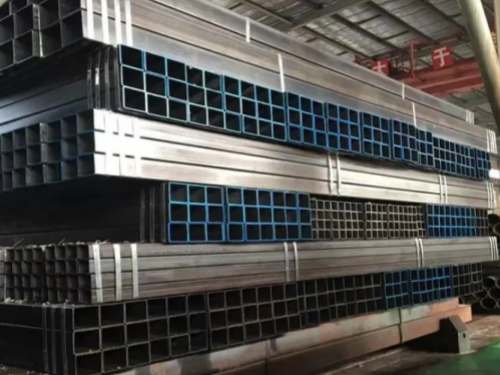
What Is ASTM A36 steel plate?
ASTM A36 steel plate is one of the most commonly used carbon structural steels in the construction, manufacturing, and engineering industries. Defined by ASTM International, A36 is a low-carbon steel grade known for its excellent weldability, good machinability, reliable mechanical strength, and cost-effective performance.
Because of its balanced combination of strength and workability, ASTM A36 steel plate is widely used for structural components, steel plates, beams, channels, angles, and fabricated steel products.
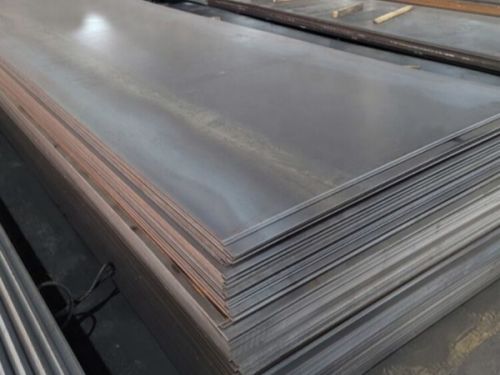
Quick Answer
ASTM A36 is a low-carbon structural steel specification with a minimum yield strength of 36 ksi (250 MPa). It is commonly used in buildings, bridges, industrial equipment, machinery, and general structural applications due to its affordability and ease of fabrication.
ASTM A36 steel plate Chemical Composition
ASTM A36 steel plate contains a relatively low carbon content, providing good ductility and weldability.
Typical Chemical Composition
|
Element
|
Content (%)
|
|
Carbon (C)
|
≤ 0.26
|
|
Manganese (Mn)
|
0.60–0.90
|
|
Phosphorus (P)
|
≤ 0.04
|
|
Sulfur (S)
|
≤ 0.05
|
|
Silicon (Si)
|
Optional
|
The low carbon content makes ASTM A36 suitable for cutting, welding, drilling, bending, and forming operations.
ASTM A36 steel plate Mechanical Properties
Mechanical properties are one of the key reasons ASTM A36 remains a preferred structural steel grade.
Typical Mechanical Properties
|
Property
|
Value
|
|
Yield Strength
|
≥ 250 MPa (36 ksi)
|
|
Tensile Strength
|
400–550 MPa (58–80 ksi)
|
|
Elongation (200 mm)
|
≥ 20%
|
|
Elongation (50 mm)
|
≥ 23%
|
These properties provide sufficient strength for most general structural and industrial applications.
Advantages of ASTM A36 steel plate
ASTM A36 continues to be widely used because it offers an excellent balance between performance and cost.
|
Feature
|
Benefit
|
|
Excellent Weldability
|
Easy fabrication and assembly
|
|
Good Machinability
|
Suitable for cutting, drilling, and forming
|
|
Reliable Structural Strength
|
Supports load-bearing applications
|
|
High Versatility
|
Available in multiple product forms
|
|
Cost-Effective
|
Reduces overall project costs
|
Key Benefits
Easy to weld using common welding methods
Excellent fabrication performance
Widely available worldwide
Suitable for hot-dip galvanizing
Cost-effective alternative to higher-strength alloy steels
ASTM A36 steel plate Applications
ASTM A36 steel plate is used across numerous industries because of its dependable performance and economic value.
Construction Industry
Structural frameworks
Commercial buildings
Industrial facilities
Warehouses
Steel platforms
Staircases and handrails
Infrastructure Projects
Bridges
Highway structures
Transportation terminals
Utility support systems
Manufacturing and Fabrication
Heavy equipment
Agricultural machinery
Industrial machinery
Storage tanks
Fabricated steel structures
Energy and Industrial Projects
Equipment supports
Pipe racks
Maintenance platforms
General engineering structures
Because of its excellent workability, ASTM A36 is often selected when fabrication flexibility is a priority.
ASTM A36 vs Higher-Strength Structural Steels
Many buyers compare ASTM A36 with grades such as ASTM A572 Grade 50 or S355 structural steel.
|
Property
|
ASTM A36
|
ASTM A572 Gr.50
|
|
Yield Strength
|
250 MPa
|
345 MPa
|
|
Tensile Strength
|
400–550 MPa
|
450–620 MPa
|
|
Weldability
|
Excellent
|
Excellent
|
|
Cost
|
Lower
|
Higher
|
|
Application
|
General structures
|
Heavy-duty structures
|
For projects without high load requirements, ASTM A36 often provides the most economical solution.
Why ASTM A36 Remains Popular Worldwide
Despite the availability of higher-strength steel grades, ASTM A36 remains one of the most specified structural steels because it offers:
Reliable mechanical performance
Easy fabrication
Broad availability
Competitive pricing
Proven service history
For many construction and industrial projects, it provides the ideal balance of performance, manufacturability, and cost efficiency.
Procurement Considerations for ASTM A36 steel plate
Before purchasing ASTM A36 steel plate products, buyers should confirm:
Product type (plate, beam, angle, bar, etc.)
Required dimensions and thickness
Surface condition
Galvanized or non-galvanized finish
Mechanical property requirements
Mill Test Certificate (MTC) requirements
Working with qualified steel suppliers helps ensure compliance with ASTM specifications and project requirements.
FAQ
- What is ASTM A36 steel plateused for?
ASTM A36 steel plate is commonly used in buildings, bridges, machinery, steel structures, and general engineering applications.
- Is ASTM A36 steel plateweldable?
Yes. ASTM A36 offers excellent weldability and is compatible with most conventional welding processes.
- What is the yield strength of ASTM A36 steel plate?
The minimum yield strength is 36 ksi (250 MPa).
- Can ASTM A36 steel platebe galvanized?
Yes. ASTM A36 is widely hot-dip galvanized for enhanced corrosion resistance in outdoor applications.
- Is ASTM A36 steel platesuitable for structural applications?
Yes. ASTM A36 is specifically designed for structural use and is one of the most commonly specified structural steel grades worldwide.

 English
 Español