What Is a Pipe Spool Piece?
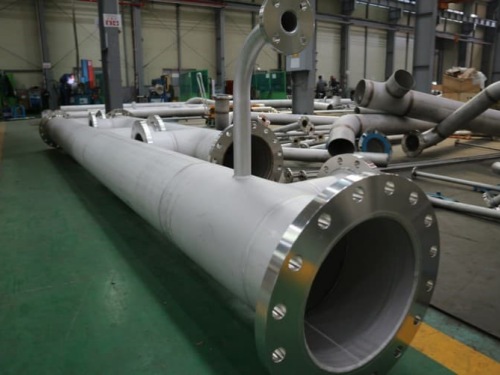
A pipe spool piece is a prefabricated piping assembly that typically includes pipes, flanges, elbows, tees, reducers, and other fittings. Pipe spools are manufactured in a controlled workshop environment and then transported to the installation site for final assembly.
Using prefabricated spool pieces reduces field welding, improves quality control, shortens installation time, and lowers overall project costs.
Why Is Proper Pipe Spool Selection Important?
Selecting the right pipe spool directly affects:
System safety
Installation efficiency
Project budget
Maintenance requirements
Corrosion resistance
Long-term operational reliability
An incorrectly selected spool piece may cause leaks, premature corrosion, pressure failures, or installation challenges during construction.
Key Factors When Choosing Pipe Spool Pieces
- Evaluate Operating Conditions
Start by identifying the pipeline's operating environment.
Consider:
Transported medium (water, oil, gas, steam, chemicals, slurry)
Operating pressure
Operating temperature
Corrosive conditions
Abrasive particles
Toxic or hazardous substances
The working conditions determine both material selection and spool design.
- Select the Right Material
The spool material should be compatible with the piping system and process fluid.
|
Material
|
Typical Applications
|
|
Carbon Steel
|
Oil, gas, water transmission
|
|
Stainless Steel
|
Corrosive and sanitary services
|
|
Alloy Steel
|
High-temperature and high-pressure systems
|
|
Duplex Stainless Steel
|
Offshore and aggressive environments
|
|
HDPE / PVC
|
Water treatment and chemical services
|
Proper material selection helps prevent corrosion, erosion, and premature failure.
- Choose the Appropriate Spool Configuration
Different spool designs serve different pipeline functions.
Common spool types include:
Straight Spool – Pipe extension and line connections
Elbow Spool – Direction changes
Reducer Spool – Pipe size transitions
Tee Spool – Branch connections
Cross Spool – Multiple flow paths
The spool configuration should match the piping layout and process requirements.
- Select the Correct Connection Type
Connection method influences installation speed, maintenance accessibility, and system integrity.
|
Connection Type
|
Typical Use
|
|
Butt Weld
|
High-pressure and high-temperature systems
|
|
Flanged
|
Easy maintenance and equipment connections
|
|
Threaded
|
Small-diameter low-pressure piping
|
|
Socket Weld
|
Medium-pressure piping systems
|
For critical industrial applications, butt-welded spool pieces are often preferred because they provide strong and leak-resistant joints.
- Verify Standards and Compatibility
Before procurement, verify that the spool assembly complies with project specifications and industry standards.
Check:
Material certificates (MTC)
Pressure ratings
Temperature ratings
Dimensional tolerances
Flange standards
Welding procedures
Inspection requirements
Common standards include:
ASME
ASTM
ISO
EN
API
Pipe Spool Selection Comparison Table
|
Selection Factor
|
Common Options
|
|
Operating Medium
|
Water, Oil, Gas, Steam, Chemicals
|
|
Material
|
Carbon Steel, Stainless Steel, Alloy Steel, HDPE
|
|
Spool Type
|
Straight, Elbow, Reducer, Tee, Cross
|
|
Connection
|
Butt Weld, Flange, Threaded, Socket Weld
|
|
Standards
|
ASME, ASTM, API, ISO, EN
|
Common Pipe Spool Selection Mistakes
Ignoring Process Conditions
Choosing materials without considering pressure, temperature, or corrosion can result in premature failure.
Using Incompatible Materials
Material mismatch between the spool and existing piping system may cause galvanic corrosion or leakage.
Underestimating Pressure Requirements
Insufficient pressure ratings can compromise system safety and reliability.
Selecting the Wrong Connection Method
Poor connection choices can increase maintenance costs and installation complexity.
Overlooking Transportation Constraints
Large spool assemblies may be difficult to transport, lift, or install in confined spaces.
Best Practices for Pipe Spool Selection
For most industrial projects, engineers should:
Match spool material to process conditions
Verify pressure and temperature ratings
Select suitable connection methods
Ensure compliance with applicable standards
Consider transportation and installation limitations
Review inspection and testing requirements before fabrication
Following these practices helps improve installation efficiency, reduce project risks, and extend piping system service life.
FAQ
What is a pipe spool piece?
A pipe spool piece is a prefabricated piping assembly consisting of pipes, fittings, and flanges that is manufactured off-site and installed as a unit.
Why are pipe spools used?
Pipe spools reduce field welding, improve fabrication quality, shorten installation schedules, and lower project costs.
What materials are commonly used for pipe spools?
Common materials include carbon steel, stainless steel, alloy steel, duplex stainless steel, and plastic materials such as HDPE and PVC.
What is the most common connection type for pipe spools?
Butt welding is the most common connection method for high-pressure industrial piping systems.
Which standards apply to pipe spool fabrication?
Pipe spool fabrication commonly follows ASME, ASTM, API, ISO, and EN standards.

 English
 Español