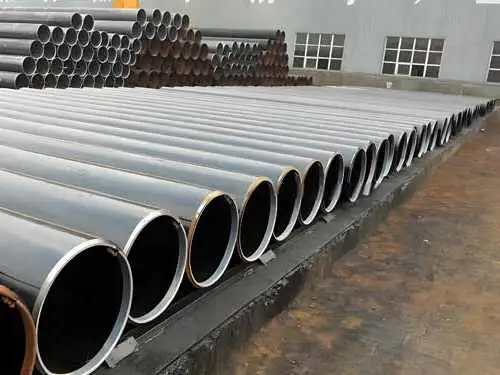
What Is ASTM A106 Grade B Seamless Steel Pipe?
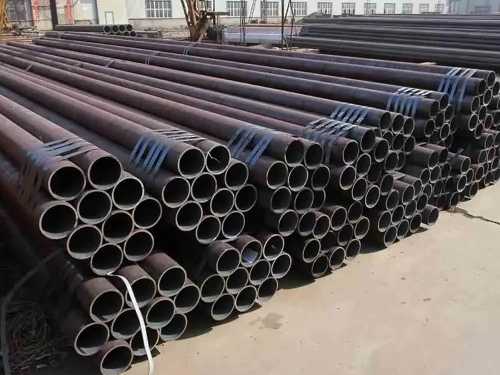
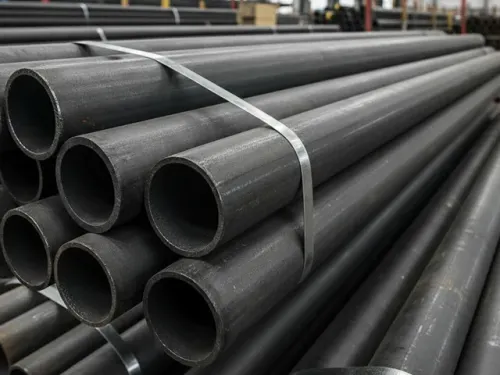
ASTM A106 Grade B is one of the most widely used seamless carbon steel pipe specifications for high-temperature and high-pressure service. Manufactured according to ASTM A106 standards, these pipes are designed for transporting steam, water, oil, gas, and other fluids under elevated temperature conditions.
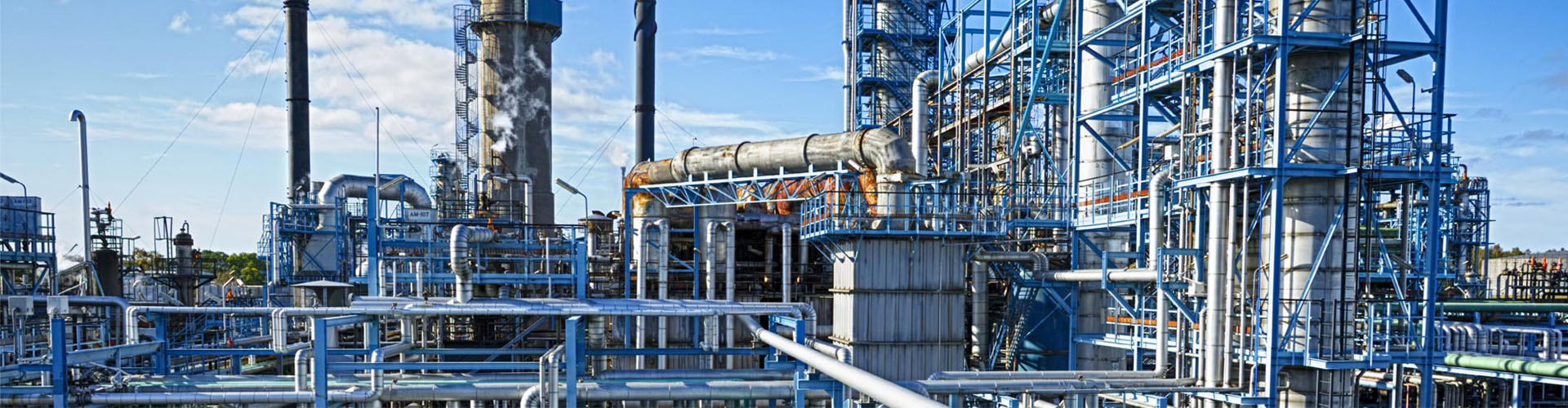
Because of their excellent strength, pressure resistance, and reliability, ASTM A106 Grade B seamless pipes are extensively used in power plants, refineries, petrochemical facilities, industrial processing systems, and oil & gas projects worldwide.
Unlike welded pipes, ASTM A106 Grade B pipes are produced without a weld seam, providing improved structural integrity and higher pressure-bearing capability for critical applications.
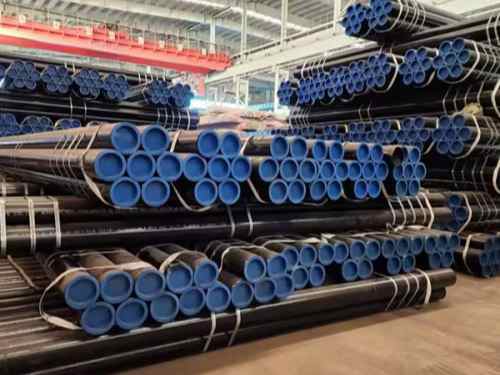
ASTM A106 Grade B Specification Overview
|
Property
|
Specification
|
|
Standard
|
ASTM A106
|
|
Grade
|
Grade B
|
|
Product Type
|
Seamless Carbon Steel Pipe
|
|
Manufacturing Process
|
Hot Rolled or Cold Drawn
|
|
Tensile Strength
|
Minimum 415 MPa
|
|
Yield Strength
|
Minimum 240 MPa
|
|
Service Condition
|
High Temperature & High Pressure
|
|
Pipe Form
|
Seamless
|
Key Features of ASTM A106 Grade B Pipe
ASTM A106 Grade B remains one of the most popular carbon steel pipe grades because it combines mechanical strength, durability, and fabrication flexibility.
Major advantages include:
Excellent high-temperature performance
Strong pressure resistance
Good weldability
Easy fabrication and machining
Reliable long-term service life
Suitable for critical industrial piping systems
Wide availability in multiple sizes and schedules
These characteristics make ASTM A106 Grade B a preferred choice for demanding operating environments.
Manufacturing Process of ASTM A106 Grade B Pipes
ASTM A106 Grade B seamless pipes are typically produced using either hot rolling or cold drawing processes.
Hot-Rolled Seamless Pipe
Hot rolling is commonly used for medium and large diameter pipes.
Benefits include:
High production efficiency
Good mechanical properties
Cost-effective manufacturing
Suitable for industrial pipelines
Cold-Drawn Seamless Pipe
Cold drawing is often selected when tighter dimensional tolerances are required.
Advantages include:
Better dimensional accuracy
Improved surface finish
Enhanced concentricity
Higher precision applications
Mechanical Properties of ASTM A106 Grade B
The specification establishes minimum mechanical requirements to ensure safe operation under pressure and temperature loads.
|
Mechanical Property
|
Minimum Requirement
|
|
Tensile Strength
|
415 MPa
|
|
Yield Strength
|
240 MPa
|
|
Elongation
|
According to ASTM requirements
|
These properties provide the strength needed for high-pressure fluid transportation systems.
Common Applications of ASTM A106 Grade B Pipe
ASTM A106 Grade B is widely used across multiple industries where elevated temperature service is required.
Oil and Gas Industry
Typical applications include:
Process pipelines
Oil transportation systems
Gas transmission lines
Refinery piping
Power Generation
Commonly used for:
Boiler piping
Superheated steam lines
Condensate systems
Power plant process piping
Petrochemical Industry
Suitable for:
High-temperature process units
Chemical transfer systems
Pressure piping networks
Refinery equipment
Industrial Processing Facilities
Frequently applied in:
Heat exchanger systems
Pressure vessels
Manufacturing plants
Industrial utility piping
ASTM A106 Grade B vs Welded Pipe
|
Feature
|
ASTM A106 Grade B Seamless Pipe
|
Welded Pipe
|
|
Weld Seam
|
None
|
Present
|
|
Pressure Resistance
|
Higher
|
Moderate
|
|
Structural Integrity
|
Excellent
|
Good
|
|
High-Temperature Service
|
Excellent
|
Limited in some applications
|
|
Reliability
|
Higher
|
Application-dependent
|
For critical high-pressure and elevated-temperature service, seamless pipes are generally preferred.
Inspection and Testing Requirements
To ensure compliance with ASTM requirements, ASTM A106 Grade B pipes undergo various quality control procedures.
Typical inspections include:
Hydrostatic Testing
Verifies pressure integrity and leak resistance.
Ultrasonic Testing (UT)
Detects internal defects and discontinuities.
Dimensional Inspection
Confirms compliance with specified:
Outside diameter
Wall thickness
Length tolerance
Mechanical Property Testing
Includes:
Tensile testing
Yield strength verification
Flattening tests (when applicable)
These inspection procedures help ensure product consistency and operational safety.
Why ASTM A106 Grade B Remains an Industry Standard
As energy, infrastructure, and industrial projects continue to expand globally, ASTM A106 Grade B remains one of the most trusted seamless carbon steel pipe specifications.
Key reasons include:
Proven long-term reliability
Global acceptance
Strong mechanical performance
Excellent high-temperature capability
Broad availability
Compatibility with international engineering standards
Its combination of strength, durability, and cost-effectiveness makes it suitable for a wide range of piping systems.
FAQ
- What is ASTM A106 Grade B pipe used for?
ASTM A106 Grade B is used for high-temperature and high-pressure fluid transportation in power plants, oil & gas facilities, refineries, and industrial processing systems.
- Is ASTM A106 Grade B seamless or welded?
ASTM A106 Grade B is a seamless carbon steel pipe specification designed for elevated-temperature service.
- What is the minimum tensile strength of ASTM A106 Grade B?
The minimum tensile strength requirement is 415 MPa.
- What is the minimum yield strength of ASTM A106 Grade B?
The minimum yield strength requirement is 240 MPa.
- Can ASTM A106 Grade B be welded?
Yes. ASTM A106 Grade B offers good weldability and is widely used in fabricated piping systems.

 English
 Español