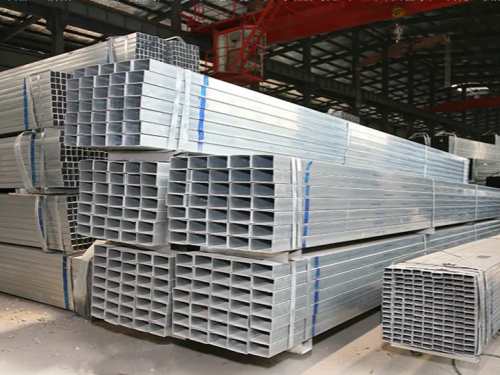
Introduction: Why High-Temperature Pipe Selection Matters
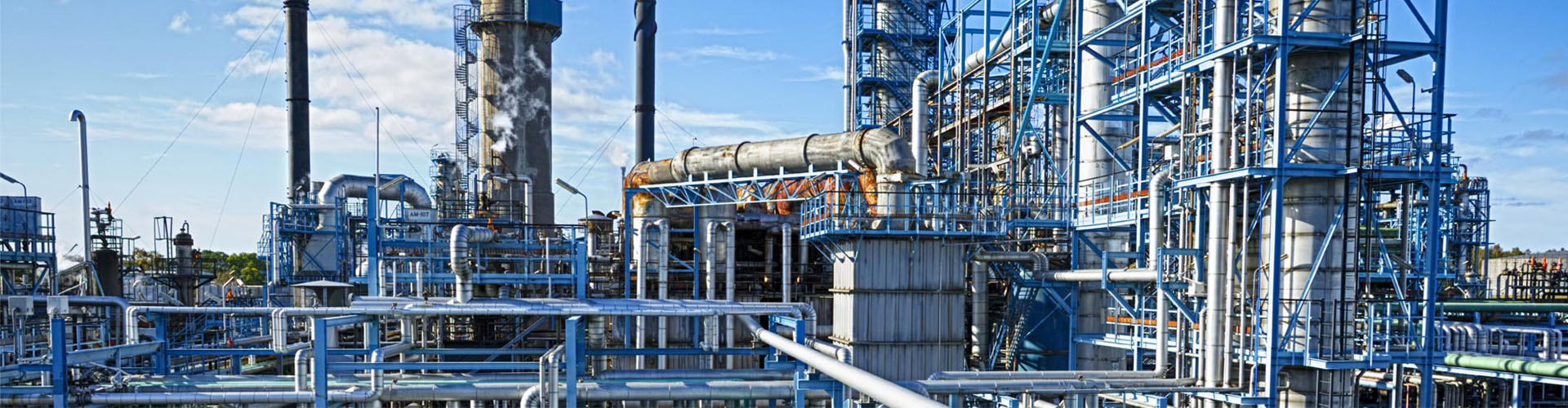
In high-temperature industrial systems, pipeline failure is rarely a minor issue—it often leads to shutdowns, safety risks, and significant financial losses.
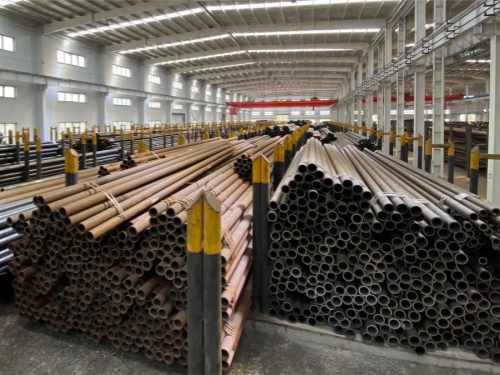
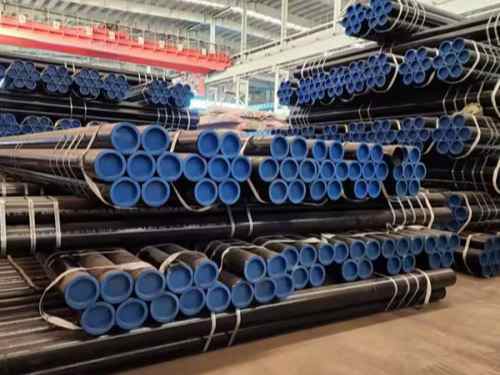
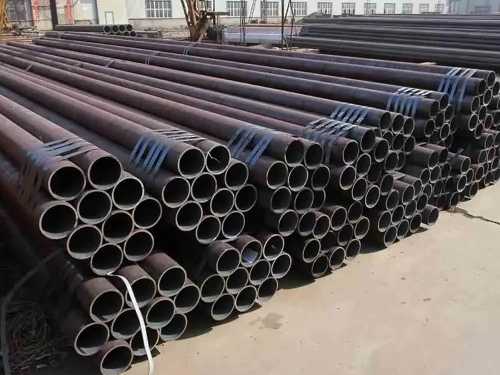
A seamless carbon steel pipe for high-temperature service is a pressure-bearing steel pipe manufactured without welding seams. This seamless structure provides uniform strength and excellent resistance to thermal stress and internal pressure.
Among industry standards, ASTM A106 seamless pipe is the most widely used solution in refineries, power plants, and boiler systems operating under elevated temperatures.
Choosing the right pipe is not just a procurement decision—it is a reliability strategy for the entire system lifecycle.
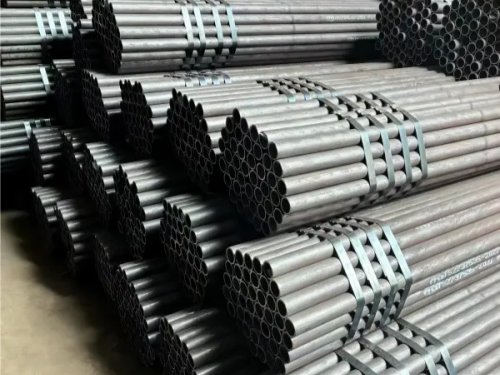
Why Carbon Steel Is Widely Used in High-Temperature Piping
Carbon steel remains the default material in many industrial piping systems due to its balance of cost, strength, and thermal stability.
Carbon Content and Performance
Carbon steel typically contains 0.05% to 2.0% carbon, which directly influences mechanical behavior:
Higher carbon → increased hardness and strength
Lower carbon → better ductility and weldability
However, in high-temperature service, medium-carbon steel is most commonly used, as it provides a balanced combination of strength and thermal stability.
Carbon Steel Classification
|
Steel Type
|
Carbon Content
|
Key Characteristics
|
Typical Use
|
|
Low Carbon Steel
|
< 0.35%
|
High ductility, easy fabrication
|
Water, structural pipes
|
|
Medium Carbon Steel
|
0.35%–0.50%
|
Balanced strength and toughness
|
Industrial piping systems
|
|
High Carbon Steel
|
0.50%–2.0%
|
Very high hardness
|
Tools, wear-resistant parts
|
In high-temperature pipelines, excessive carbon is avoided because it can reduce toughness under thermal cycling.
Seamless vs Welded Steel Pipe: Why It Matters in Heat Service
Pipe failure often begins at structural weak points—most commonly weld seams.
Seamless Steel Pipe
A seamless pipe is produced from a solid steel billet and has no longitudinal weld seam, which significantly improves integrity under pressure and heat.
Welded Steel Pipe
Welded pipe is formed by rolling steel plates into a cylindrical shape and welding the seam along the length.
Manufacturing Overview
Seamless pipe process:
Heating solid billet
Piercing to form hollow shell
Rolling and sizing to required dimensions
Welded pipe process:
Rolling steel plate into cylinder
Welding longitudinal seam
Surface finishing and testing
Key Engineering Difference
|
Feature
|
Seamless Pipe
|
Welded Pipe
|
|
Structural integrity
|
High (no weld seam)
|
Moderate (seam is stress point)
|
|
Pressure resistance
|
High
|
Medium
|
|
Temperature stability
|
Excellent
|
Limited in extreme conditions
|
|
Cost
|
Higher
|
Lower
|
For high-temperature and high-pressure systems, seamless pipes are the preferred engineering solution due to their uniform structure.
Choosing the Right Carbon Steel Grade
Material grade selection is critical in preventing premature failure.
Common Industry Grades
ASTM A106 – High-temperature seamless carbon steel pipe
ASTM A53 – General-purpose piping (low to medium pressure)
API 5L – Oil and gas transmission pipelines
ASTM A333 – Low-temperature service applications
High-Temperature Recommendation
The industry benchmark for thermal applications is ASTM A106 seamless pipe, widely used in:
Refineries
Boiler systems
Power generation plants
High-temperature steam lines
It is specifically designed for elevated temperature and pressure environments, where structural reliability is critical.
Grade Selection Summary
|
Grade
|
Application
|
Temperature Capability
|
Key Advantage
|
|
ASTM A106
|
Boilers, refineries
|
High (up to ~750°F)
|
High-temperature resistance
|
|
ASTM A53
|
Water & air systems
|
Medium
|
Cost-effective
|
|
API 5L
|
Oil & gas transport
|
Variable
|
Chemical resistance
|
|
ASTM A333
|
Cryogenic service
|
Very low temperature
|
Low-temperature toughness
|
Key Performance Benefits of Seamless Carbon Steel Pipe
1. High Structural Integrity
Without weld seams, stress distribution is uniform, reducing failure risk under thermal expansion and contraction.
2. Superior Pressure Resistance
Seamless pipes withstand internal pressure more effectively, making them suitable for steam and high-energy fluid systems.
3. Long Service Life with Protection
When combined with coatings such as epoxy or galvanization, service life can exceed 20–30 years in controlled environments.
4. Reduced Maintenance Costs
Fewer leak points and higher durability significantly reduce operational downtime and repair frequency.
5. Corrosion and Heat Protection Strategies
Even high-quality carbon steel requires protection in aggressive environments.
Common protection methods include:
Epoxy coating systems
Galvanized layers
Anti-corrosion paint systems
Cathodic protection in buried pipelines
Proper coating selection is essential for extending service life in high-temperature + corrosive conditions.
6. Practical Selection Guidelines
To choose the correct seamless carbon steel pipe, engineers should evaluate:
Operating temperature range
Internal pressure requirements
Medium type (steam, gas, oil, etc.)
Corrosion environment
Expected service life
Applicable industry codes (ASME, ASTM, API)
A mismatch in any of these factors can significantly reduce system reliability.
Conclusion
Selecting the best seamless carbon steel pipe for high-temperature service depends on understanding material grade, manufacturing method, and operating conditions.
In most high-temperature industrial systems, ASTM A106 seamless pipe remains the most reliable and widely accepted solution due to its balance of strength, heat resistance, and structural integrity.
Correct material selection not only improves safety but also reduces lifecycle cost and operational risk.
FAQ
Q1: Is seamless carbon steel pipe necessary for high-temperature service?
Yes. In high-temperature and high-pressure systems, seamless pipe is preferred because it has no weld seam, which reduces the risk of failure.
Q2: What is the difference between ASTM A106 and ASTM A53?
ASTM A106 is designed for high-temperature and high-pressure service (such as boilers and refineries), while ASTM A53 is mainly used for general low to medium pressure applications.
Q3: Is seamless pipe worth the higher cost compared to welded pipe?
Yes, in demanding environments. The higher upfront cost is offset by improved safety, lower failure risk, and reduced downtime.
Q4: Will carbon steel pipes fail under high temperature?
Not immediately, but prolonged exposure beyond design limits can reduce strength and accelerate creep and oxidation.
Q5: How can carbon steel pipes be protected from corrosion?
Common methods include epoxy coating, galvanizing, 3PE coating, and cathodic protection systems.

 English
 Español