What Is ASTM A53 Pipe Weight?
ASTM A53 pipe weight refers to the theoretical weight of an ASTM A53 carbon steel pipe per unit length. It is calculated based on the pipe's outside diameter (OD), wall thickness (WT), and the density of carbon steel (7.85 g/cm³).
In practice, pipe weight can be determined using either a standard pipe weight chart or a pipe weight calculation formula.
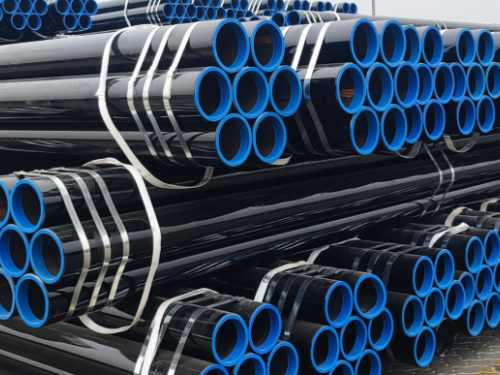
ASTM A53 Pipe Weight Chart
The table below shows the theoretical weight of common ASTM A53 carbon steel pipes in SCH 40 and SCH 80 schedules.
|
NPS
|
OD (mm)
|
SCH 40 WT (mm)
|
SCH 40 Weight (kg/m)
|
SCH 80 WT (mm)
|
SCH 80 Weight (kg/m)
|
|
1/2"
|
21.3
|
2.77
|
1.27
|
3.73
|
1.62
|
|
3/4"
|
26.7
|
2.87
|
1.69
|
3.91
|
2.13
|
|
1"
|
33.4
|
3.38
|
2.50
|
4.55
|
3.24
|
|
1-1/2"
|
48.3
|
3.68
|
4.05
|
5.08
|
5.41
|
|
2"
|
60.3
|
3.91
|
5.43
|
5.54
|
7.48
|
|
3"
|
88.9
|
5.49
|
11.29
|
7.62
|
14.90
|
|
4"
|
114.3
|
6.02
|
16.07
|
8.56
|
21.27
|
|
6"
|
168.3
|
7.11
|
28.26
|
10.97
|
42.56
|
|
8"
|
219.1
|
8.18
|
42.55
|
12.70
|
63.68
|
|
10"
|
273.0
|
9.27
|
60.32
|
12.70
|
81.67
|
|
12"
|
323.8
|
9.53
|
73.42
|
12.70
|
97.47
|
Important Notes
Values represent theoretical weight per meter.
Calculations are based on a steel density of 7.85 g/cm³.
SCH 80 pipes are heavier because of their thicker walls.
Actual weight may vary slightly due to manufacturing tolerances permitted by ASTM standards.
ASTM A53 Pipe Weight Formula
The standard formula used to calculate carbon steel pipe weight is:
W = 0.02466 × (D − t) × t
Where:
W = Weight (kg/m)
D = Outside Diameter (mm)
t = Wall Thickness (mm)
This formula is widely used for ASTM A53, ASTM A106, API 5L, and other carbon steel pipe specifications.
Example Calculation
NPS 2 SCH 40 ASTM A53 Pipe
Given:
OD = 60.3 mm
WT = 3.91 mm
Calculation:
W = 0.02466 × (60.3 − 3.91) × 3.91
Result:
W ≈ 5.43 kg/m
This value matches the standard pipe weight chart.
SCH 40 vs SCH 80 Pipe Weight
For the same NPS size, SCH 40 and SCH 80 pipes have identical outside diameters but different wall thicknesses.
As wall thickness increases:
Pipe weight increases
Pressure capacity increases
Material cost increases
|
Feature
|
SCH 40
|
SCH 80
|
|
Wall Thickness
|
Standard
|
Thicker
|
|
Weight
|
Lower
|
Higher
|
|
Pressure Resistance
|
Moderate
|
Higher
|
|
Material Cost
|
Lower
|
Higher
|
|
Typical Use
|
General Service
|
High-Pressure Service
|
Key Takeaways
SCH 80 pipes are typically 30%–60% heavier than SCH 40 pipes.
Thicker walls provide greater pressure-bearing capability.
SCH 40 is commonly used for water, air, and general industrial systems.
SCH 80 is preferred for higher-pressure applications.
Why Is Pipe Weight Important?
Understanding ASTM A53 pipe weight helps improve project planning, budgeting, and installation efficiency.
Transportation and Logistics
Pipe weight directly affects:
Freight costs
Container loading capacity
Shipping methods
Accurate weight calculations help reduce unexpected logistics expenses.
Structural Design
Engineers use pipe weight to calculate:
Support loads
Pipe rack design
Building structural requirements
Heavier pipes require stronger support systems.
Installation Planning
Pipe weight influences:
Crane selection
Lifting equipment requirements
Workforce planning
Large-diameter or heavy-wall pipes often require specialized handling equipment.
Procurement and Cost Control
Steel pipe is commonly sold by weight.
Accurate weight calculations help buyers:
Estimate material quantities
Compare supplier quotations
Control project budgets
Safety Management
Incorrect weight estimates may lead to:
Equipment overload
Lifting accidents
Site safety risks
Proper weight calculations improve operational safety during transportation and installation.
Quick Weight Selection Guide
|
Requirement
|
Recommended Schedule
|
|
Water Systems
|
SCH 40
|
|
Air Piping
|
SCH 40
|
|
General Industrial Service
|
SCH 40
|
|
High-Pressure Systems
|
SCH 80
|
|
Process Piping
|
SCH 80
|
|
Refinery Applications
|
SCH 80
|
FAQ
- How is ASTM A53 pipe weight calculated?
Pipe weight is calculated using the pipe weight formula based on outside diameter and wall thickness or by referring to a standard pipe weight chart.
- Is ASTM A53 pipe weight theoretical or actual?
Published pipe weights are theoretical values. Actual weight may vary within ASTM manufacturing tolerances.
- Why is SCH 80 heavier than SCH 40?
SCH 80 uses a thicker wall, resulting in more steel per meter and therefore a higher weight.
- What density is used in pipe weight calculations?
The standard density of carbon steel used is 7.85 g/cm³.
- Does pipe schedule affect weight?
Yes. Higher schedules have thicker walls and therefore greater weight per unit length.
Conclusion
The ASTM A53 pipe weight chart and calculation formula provide a quick and reliable way to determine the theoretical weight of carbon steel pipes. Whether for engineering design, transportation planning, procurement, or installation, understanding pipe weight helps improve project accuracy, control costs, and ensure safe handling throughout the supply chain.

 English
 Español